FINAL DAYS TO SHOP OUR SPRING FLING SALE - GET 25% OFF ALL TREES NOW! Must finish 31st October. There's no better time to plant once and plant well with our quality stock! Enter SPRING25 in the website cart or contact us to order directly.

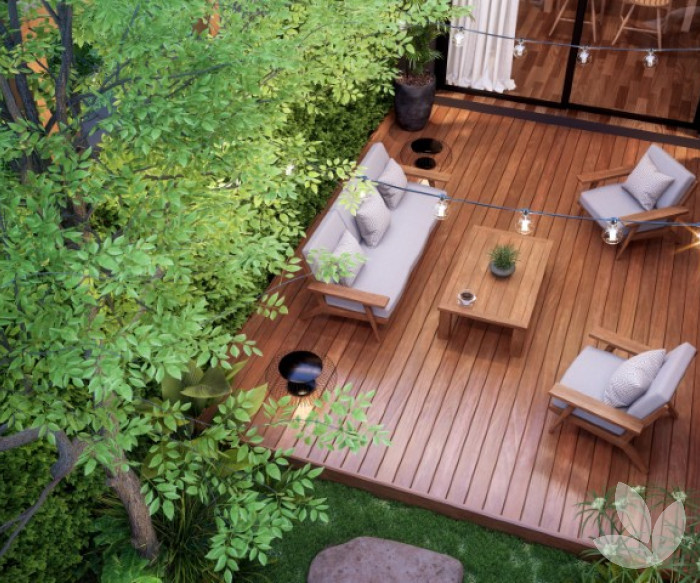
How to Choose the Right Tree for Your Home
Last updated: 7 September, 2026.
Choosing a tree is one of the few garden decisions you make once and live with for decades. Get it right, and the tree earns its place every season, giving you shade in summer, colour through the year, privacy where you need it and a sense that the garden is finished. Get it wrong, and you spend years pruning a tree that was always going to be too big, or waiting on flowers that were never suited to your climate.
This guide walks you through the questions that actually narrow the choice: what you want the tree to do, how much space you have, your aspect and climate, and whether a deciduous or evergreen tree suits the spot.
With almost five decades growing containerised landscape trees, our team at Speciality Trees has helped homeowners, landscapers and councils across Victoria and the rest of Australia make this call thousands of times.
Here is how we think it through.
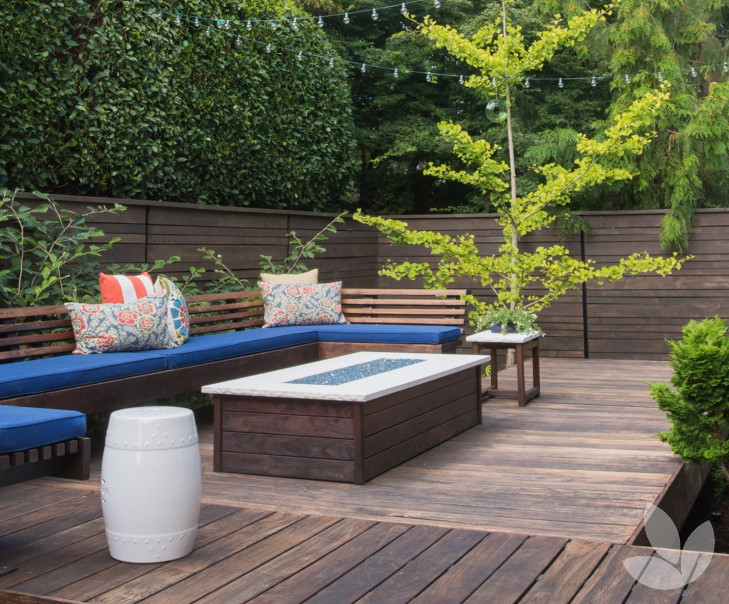
Beautiful feature deciduous tree in an Australian courtyard setting
Start With What You Want the Tree to Do
Before you fall for a photo of a tree in full flower, decide what job it needs to do in your garden. A tree usually earns its keep in one of a few ways, and the best choice depends on which of these matters most to you:
● Shade: cooling the house or a paved area through summer.
● Screening or privacy: blocking a view or a neighbour, or softening a fence line.
● Seasonal display: flowers, autumn colour or interesting bark as a feature.
● Structure: anchoring a garden design or framing an entrance.
● Productivity: fruit, or habitat for local birds and wildlife.
Most good garden trees do more than one of these, but naming the priority first stops you choosing a tree that looks lovely and then fails at the thing you actually needed. If you already know the job, the quick guide below points you at the right part of our range.
| If you want... | Look for | Browse |
| Summer shade, winter sun | A deciduous shade tree | Shade trees |
| A small garden or courtyard |
A compact tree, 4 to 8 m |
Small trees (4 to 8 m) |
| Year round privacy | An evergreen screen or hedge | Screening trees |
| A seasonal flower display | A feature flowering tree | |
| Autumn colour | A deciduous tree | Deciduous trees |
Consider Aesthetics and Visual Appeal
Once you know the job, aesthetics shape the shortlist. Think about how the tree will look through the whole year, not just on the day you buy it. Four things drive the visual effect:
● The size and shape of the tree at maturity, from tall and narrow to broad and spreading.
● Foliage in terms of colour, texture and how it changes through the seasons.
● Sensory elements such as fragrance, flower and the movement of leaves.
● Whether it is evergreen or deciduous, which sets the entire rhythm of the garden.
Most trees combine several of these. Ornamental Pear Trees such as Pyrus ‘Capital’ grow tall and upright for narrow spaces, while the Manchurian Ornamental Pear spreads into a generous shade canopy. Deciduous trees like Japanese Maples give a changing display through the year, with fresh spring growth, summer green and vivid autumn tones before the bare winter framework. For a classic seasonal feature, Crepe Myrtle and Magnolia are hard to beat.
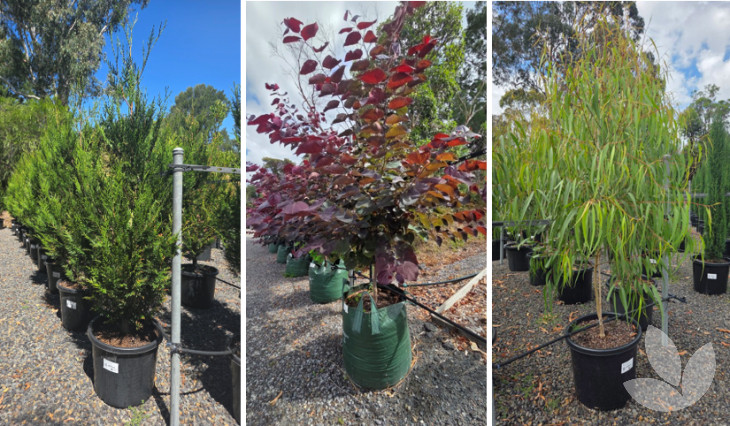
Comparison of an upright growing tree, deciduous tree with autumn colour and evergreen tree for different aesthetics, perfect for Australian gardens.
Matching Trees to Your Home’s Architectural Style
A tree should sit comfortably with the style of your home. A sleek, minimalist garden suits a sculptural tree such as a weeping standard, while a classic or period home pairs beautifully with a Crepe Myrtle or Magnolia. The colour, texture and form of the tree can either complement the building or provide a deliberate contrast, and a single well-chosen tree can become the focal point the whole garden reads from.

Hedged sculptural feature in a minimalist Australian garden used as a focal point

Japanese Maple (Acer palmatum) in red foliage against a pale terraced house and black wrought iron fence

Fully grown Catalpa (Indian Bean Tree) as a shade feature in a residential garden
Deciduous or Evergreen? The Decision That Shapes Everything
Of all the choices, this one changes your garden the most, so it is worth pausing on. It is not about one being better than the other. It is about what each does through the seasons.
Deciduous trees drop their leaves in autumn and stand bare through winter. That is a feature, not a flaw: they cast cooling shade in summer, then let winter sun through to warm the house when you want it, along with an autumn colour show. Evergreen trees hold their foliage all year, which makes them the natural choice for privacy, screening and year-round structure.
Many Australian gardens want both: a deciduous tree over the outdoor living area for seasonal shade, and evergreens along the boundary for constant screening. Balancing the two is the key to a garden that works in every season.
Learn more in our blog post: Evergreen vs Deciduous Trees.
Understand Your Property’s Aspect and Sun Exposure
Aspect, meaning the direction your garden faces, decides how much sun a spot receives, and that governs both the tree’s health and where it will do the most good. In the southern hemisphere, the sun sits to the north, so here are some considerations:
● A north-facing garden receives the most sunlight, ideal for sun-loving trees and reliable flowering.
● A south-facing garden sits in more shade, better suited to shade-tolerant species.
● East-facing spots get gentler morning sun; west facing spots take the hot afternoon sun.
Placement matters as much as the species. A well-placed tree on the western side of the house provides much-needed shade through hot summer afternoons and can noticeably reduce cooling costs. Just be careful not to plant a large evergreen where it will block low winter sun from reaching the house when the days are short, which is one more reason a deciduous tree often earns its place on the sunny side.
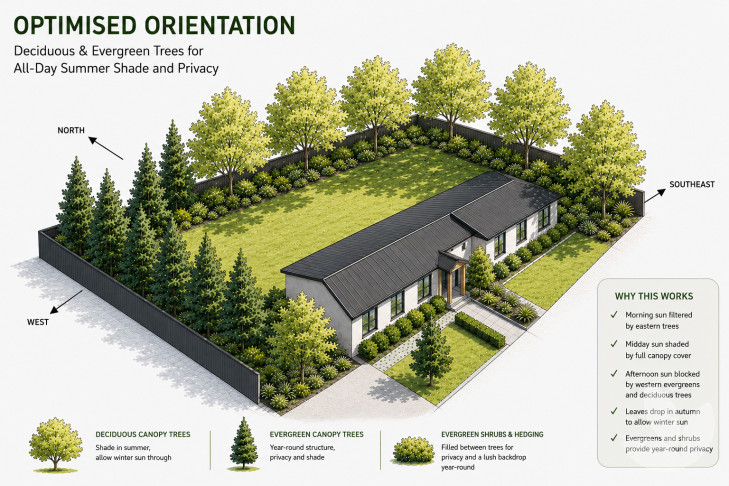
Diagram showing garden aspect and southern hemisphere sun path, with the north side marked as sunniest
Match Tree Size to Your Available Space
The most common planting mistake is choosing a tree for the size it is at purchase rather than the size it will reach at maturity. Australian homes range from sprawling blocks to compact courtyards, so pick a tree that fits the space it has to grow into, both above ground and below. As a rule, a tree’s roots spread about as wide as its canopy, so keep large species well clear of foundations, drives and pipes.
A large species such as Spotted Gum (Corymbia maculata) is breathtaking but impractical for a small yard.
For tighter spaces, look at compact and dwarf trees in the 4 to 8 metre range, standard weepers, or trees with a narrow, fastigiate (upright) habit such as Italian Pencil Pines, which add height and greenery without taking over.
Knowing the mature height before you plant is what lets you choose the right tree for a 40 cm or 50 cm container that will still suit the garden in twenty years.
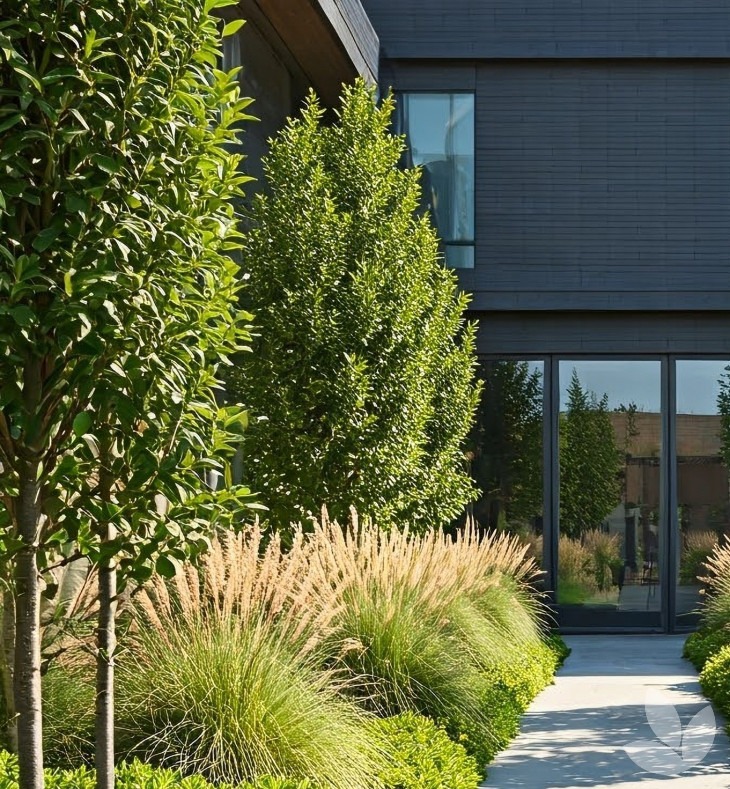
Compact upright tree suited to a small courtyard garden in Victoria
Think About Function and Practical Benefits
Beyond looks and size, weigh up the practical benefits a tree brings. A well-chosen tree can provide shade, privacy, a windbreak and even fruit.
Deciduous trees like Ornamental Pears and Liquidambars are ideal for seasonal function, shading in summer and letting light through in winter. If privacy is the priority, evergreen Lilly Pilly creates a natural screen without the need for a fence, and works equally well as a formal hedge or an informal screen. For sustainability, an edible or fruit tree can turn part of the garden into a productive space while still looking good.
A tree should not just look good; it should earn its place.
Match the Tree to Your Climate Zone
A tree that thrives in Melbourne may struggle in Mildura, and one that loves a Brisbane summer may never colour up in the cool south.
The Bureau of Meteorology climate classification map is a useful reference for understanding your local conditions before you choose.
As a Victorian nursery, most of our range is selected and grown for cool temperate conditions, though we supply right across the country.
● Cool temperate (Victoria, Tasmania, ACT, alpine NSW): long, cool autumns bring out the best deciduous colour. Frost on new spring growth is the main risk to watch.
● Warm temperate and subtropical (coastal NSW, south east QLD): longer, humid summers favour heat-tolerant and disease-resistant selections.
● Mediterranean (South Australia, south west WA): hot, dry summers suit drought-tolerant trees once established, with deep, infrequent watering through the first summers.
● Tropical and dry tropical (northern QLD, NT, northern WA): the lack of a cool season mutes autumn colour, so evergreens and heat lovers perform best.
Learn From Your Local Environment
Your best resource is the street you live on.
Trees already growing well in neighbouring gardens, verges and local parks tell you what suits your soil and climate.
Take a walk, note what looks healthy and established, and you are most of the way to a shortlist. If you spot a tree you like but cannot identify, take a photo and bring it to our team. We can tell you what it is, how it grows and whether a similar or better-suited variety might work for your site.
Choose a Tree You Love
Most important of all, plant a tree you actually like.
You are the one who will look at it and care for it, and you are far more likely to nurture a tree you enjoy.
The right tree is the first step in a relationship with your garden and the green environment around you, one that can bring pleasure for the decades you live at your property.
Get Expert Help Choosing Your Tree
The right tree is almost always the one matched to your space, your aspect and the job you need it to do, and quite often the answer is a combination of a deciduous feature and an evergreen screen.
With nearly 50 years growing advanced, containerised landscape trees, our team can help you match the right tree to your site and goals.
Browse the full range by mature height or category, try the Treefinder tool to build a shortlist, or get in touch for tailored advice on what will work best in your garden.
Frequently Asked Questions About Choosing Trees
What is the best tree for a small property?
For small gardens, look at compact or dwarf trees in the 4 to 8 metre range, standard weepers, or narrow, fastigiate species such as pencil pines. These add height and greenery without overwhelming the space. Always check the mature height and canopy spread, not the size at purchase.
Should I choose a deciduous or evergreen tree?
It depends on the job. Deciduous trees like ornamental pears give summer shade and let winter sun through, plus autumn colour, which makes them ideal for energy efficiency near the house. Evergreen trees such as Lilly Pilly hold their leaves year-round and are the better choice for constant privacy and screening. Many gardens use both.
How do I know if a tree’s roots will damage my property?
As a general rule, a tree’s roots spread about as wide as its canopy. Research the mature size, both canopy and root system, and avoid planting large trees too close to foundations, driveways or underground pipes. Our team can advise on species with more manageable root systems for tight sites.
What does ‘aspect’ mean when choosing trees?
Aspect is the direction your property faces. In the southern hemisphere, north-facing areas receive the most sun and suit sun-loving, flowering trees, while south-facing areas are shadier and better for shade-tolerant species. Aspect determines both where a tree will thrive and where it will give you the most shade.
When is the best time to plant a tree in Australia?
Winter is the ideal planting window for deciduous trees, while they are dormant, so the roots settle before the first summer. Containerised trees from Speciality Trees can be planted year-round but for tailored advice specific to your location, please contact the team.
Receive all the latest news, product information, collections, projects, tips and special offers straight to your inbox each month or so.
Receive all the latest news, product information, collections, projects, tips and special offers straight to your inbox each month or so.
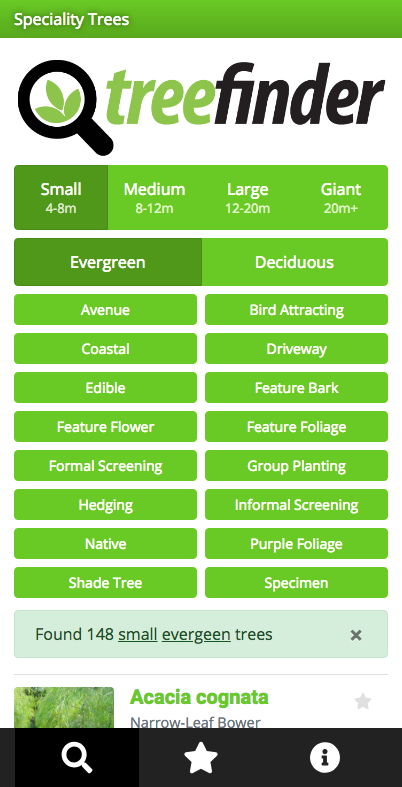
Treefinder can help you identify the perfect tree for your next project!
With over 400 tree varieties for review, the Treefinder app enables you to conveniently browse and compile a list of trees suitable for a number of common landscaping uses - from attracting birds to creating a formal screen or hedge. By selecting desired size, foliage, and a few categories, Treefinder opens up a world of possibilities.
Once you've found the perfect tree you can click through to our website for more information, availability and a quote.

We are specialists in the environmentally sustainable production of premium quality advanced landscaping trees and screens.
For more than 49 years Speciality Trees has been a leader in the production and supply of advanced environmentally sustainable, containerised landscape trees for local government, the landscaping industry and retailers.
Learn more




Trees
© 2026 Speciality Trees Pty Ltd. All Rights Reserved.
Speciality Trees acknowledges the traditional custodians of the lands where we live, learn and work, and acknowledge and respect all who have contributed to it, past, present and future.